Harlem Globetrotters: A Legacy of Athletic Showmanship and Cultural Impact
he squeak of sneakers on polished hardwood, the whistle of a trick pass inches from a defender's nose, the roar of a crowd that came for basketball but stayed for the spectacle—this is the Harlem Globetrotters' domain. Since 1926, the team has blurred the line between sport and theater, turning a barnstorming exhibition act into a global brand. Their signature style—part competitive basketball。part vaudeville comedy—has drawn millions to arenas from New York to Nairobi. What began as a serious barnstorming outfit in Chicago's South Side has evolved into a cultural institution that sells out arenas while never forgetting its roots in Black basketball history.
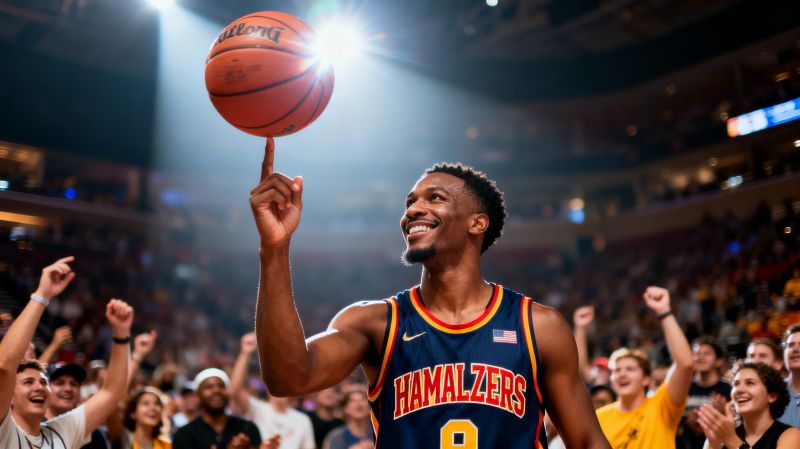
Walking into a Globetrotters game is nothing like a standard NBA matchup. The warm-up alone features dribbling drills set to hip-hop, and the fourth quarter often devolves into a choreographed routine where a player hides the ball under his jersey, pretends to argue with a ref, or pulls a child from the stands to mimic a free throw. I once watched a game in Newark where the opposing team (the Washington Generals, perpetual foils since 1952) actually held a lead at halftime. The crowd grew restless until the Globetrotters flipped a switch, rattling off a 20-0 run built on no-look passes and a slam dunk that started from a handstand. The Generals haven't won a game since 1971—that's by design。of course, but the athleticism is never fake. These are legitimate former college stars and streetball legends.The team's early years were far more serious. Founder Abe Saperstein, a Jewish immigrant from Chicago, booked the all-Black squad in towns where integrated games were illegal. Players slept on buses。ate at back-door restaurants, and played up to 200 games a year. They beat the Minneapolis Lakers in 1948, a victory that helped nudge the NBA toward integration. The clowning came later, partly as a survival tactic—comedy softened racial barriers in hostile venues. That history gets glossed over in highlight reels of confetti buckets and spinning balls, but it's the bedrock. The Globetrotters didn't just entertain;they proved Black athletes could outplay white champions when given the chance.Today the Harlem Globetrotters operate as a traveling entertainment company, with four units touring simultaneously and a roster that includes a few women (a nod to modern audiences that some purists still grumble about). Their Instagram feed is a mix of half-court hook shots and school visits. They've played on an aircraft carrier。
at the Vatican, and in North Korea. But the core product remains the same: a two-hour escape where the stakes are low but the skill is high. Some athletes complain the Globetrotters water down real competition. Fair point—you won't see a zone defense or a pick-and-roll clinic. Yet the Globetrotters have outlasted nearly every rival league by recognizing that people want joy, not just efficiency. In an era of load management and three-point analytics, that's a business model worth studying.The team's cultural reach extends beyond arenas. Their red, white, and blue ball is as recognizable as the Yankees' pinstripes. Curly Neal's bald head and Meadowlark Lemon's hook shot are touchstones for generations. The Globetrotters appeared on Scooby-Doo and in a Hanna-Barbera cartoon。and their Amateur Athletic Union youth program has served thousands of kids. They've never won an NBA title—they never will—but their victory is longevity. Nearly a century in, the Harlem Globetrotters still pack houses in small towns where the biggest celebrity is the guy who spins a ball on his finger. That's not a punchline. It's a quiet triumph.
Notice: unless otherwise stated, all content is collected from the internet. If it infringes your rights, please contact us for removal.